
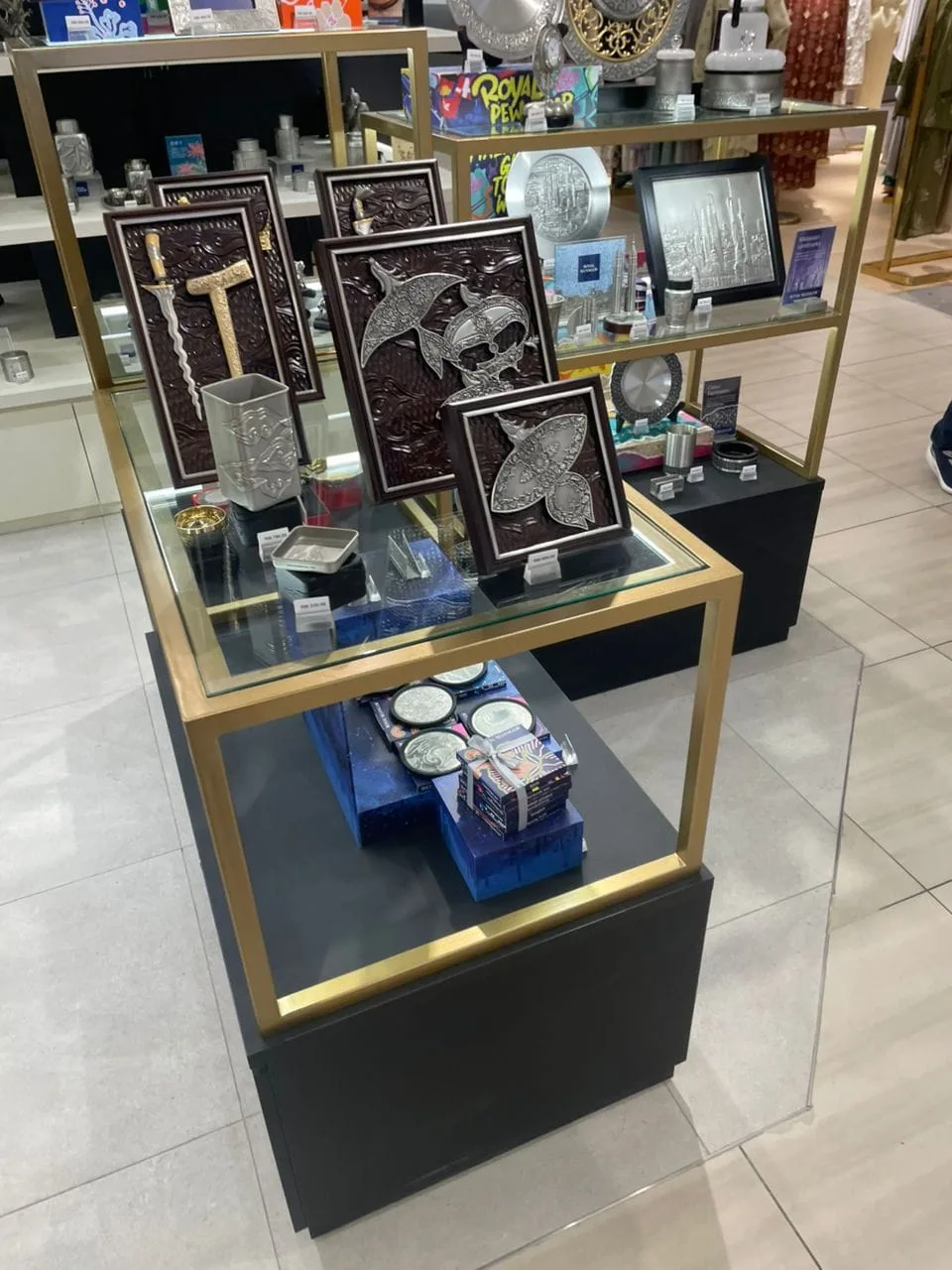
Your collection deserves to be seen
A Royal Selangor collection that lives in its original boxes in a dark cupboard is wasted craftsmanship. These pieces are made to look beautiful, and the right display doesn't just make your collection more visible – it also helps protect the pieces from dust and harmful environmental conditions.
This guide covers everything from choosing shelving and lighting to UV protection and grouping your pieces. Whether you have three figurines or three hundred, there is a display solution that works for you.
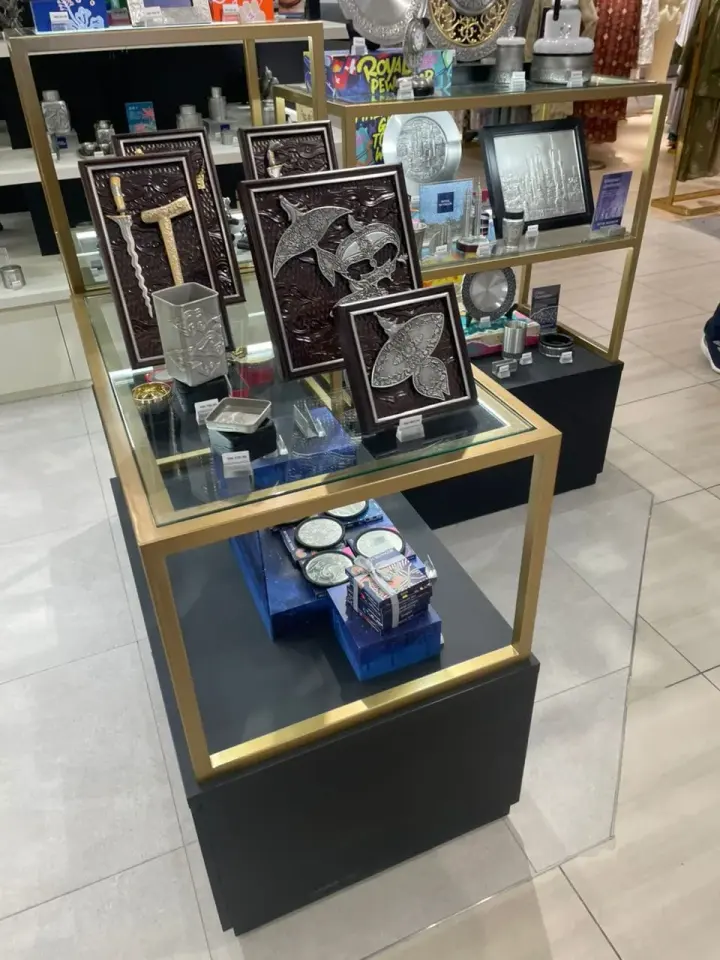
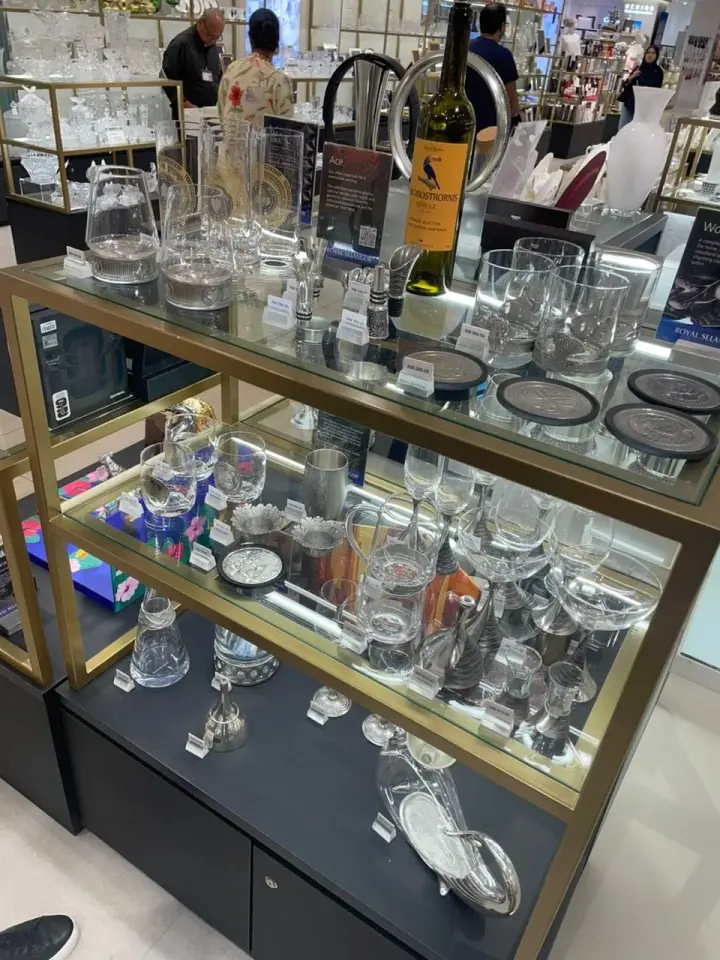
Glass cabinets or open shelves
Glass cabinets (recommended)
A good choice for valuable collectibles. Protects against dust, moisture and accidental touching. Choose a cabinet with UV-filtered glass to protect against daylight and uneven patina. IKEA DETOLF and Kallax with a glass door are popular and affordable solutions.
Open shelves
Simpler and cheaper, but they require more maintenance. Dust settles quickly on pewter surfaces and can, over time, give a slightly grey, matte effect. With open shelves, you should wipe your collection with a soft cloth monthly. Suitable for functional barware and pieces in daily use.
Wall-mounted systems
For photo frames and flatter objects: wall-mounted frames and shelves are a stylish alternative. Make sure the fixings are sturdy – pewter is heavier than it looks. Avoid walls that get direct sunlight.
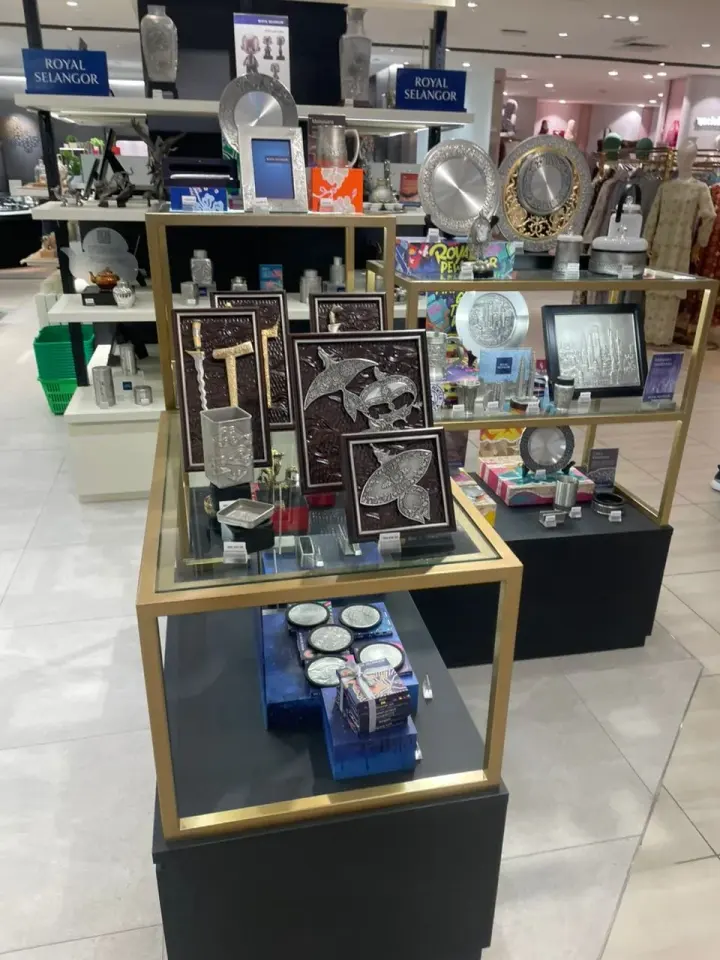
Lighting: the biggest difference
The right lighting transforms a collection from "nice things on a shelf" into something that stops guests in the middle of a room. Here are the principles:
- Warm LED (2700–3000K): Gives pewter a warm, golden glow. Cooler light (above 4000K) can make pewter look grey and clinical. Choose a warm temperature for pewter collections.
- Spotlights or diffuse light: Spotlights from above create dramatic shadows and highlight sculptural details. Diffuse light gives a more even presentation. Feel free to combine both: diffuse backlighting in the cabinet and spotlights on special pieces.
- LED strips in cabinets: Thin LED strips along the top of a glass cabinet are inexpensive, easy to install and make a big visual impact. Choose LED strips with low UV radiation.
- Avoid direct sunlight: Pewter doesn't fade like textiles, but uneven exposure to sunlight can cause uneven patina over time.
"Lighting is the simple measure that makes the biggest difference. I spent years finding the right figurines – and five minutes with the right lighting changed everything."
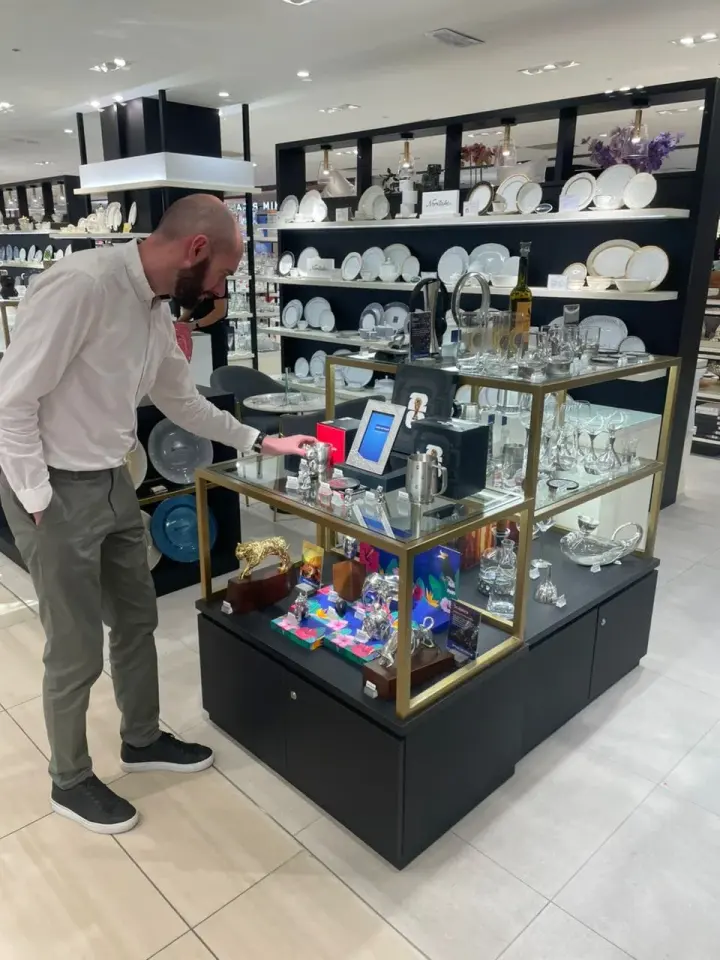
Temperature, humidity and UV
Pewter withstands the wear and tear of everyday life well, but some environmental factors can affect the surface and patina over time. Three things are important:
- Temperature: Keep the collection at a stable room temperature (18–24 °C). Avoid the garage, attic and basement – large, repeated temperature swings are bad for the collection.
- Humidity: Normal indoor humidity (40–60% relative humidity) is perfectly fine. High humidity over time can lead to faster and more uneven patina. Avoid placing the collection in a bathroom, utility room or near the kitchen counter.
- UV protection: UV-filtered glass in cabinets can protect against daylight and uneven patina. Alternatively: avoid placing the collection in direct daylight from south- or west-facing windows, especially pieces with a shiny, polished surface.
Royal Selangor pewter develops a natural, mild patina over time. The right environmental conditions help the patina develop more evenly – not in patches.
Grouping strategies: how to make your collection look its best
Visual organisation is an art in itself. Here are some common strategies:
- By series: All Star Wars pieces together, all Harry Potter pieces separately. Clear and easy to survey – suits collectors with deep knowledge of each series.
- Size hierarchy: Large pieces at the back, smaller ones in front. A classic museum principle that works well and is hard to get wrong.
- Thematic: All the "hero" figurines together, all the "villain" figurines separately. Creates narrative tension and storytelling in the cabinet.
- Chronological: By year of production, from oldest to newest. Exciting for collectors who are interested in design history and brand development over time.
- By function: Barware and drinkware separately, decorative figurines separately. A practical solution where the collection is actively used in everyday life.
Getting started: five concrete steps
Whatever the size of your collection, these are five steps that quickly make a big difference:
- Find the right spot. Stable room temperature without direct sunlight. A good choice is an interior wall in the living room or hallway.
- Choose a cabinet or shelf. A glass cabinet for valuable pieces, open shelves for barware in daily use. IKEA DETOLF is a popular and affordable starting point.
- Install warm LED lighting. A simple LED strip (2700–3000K) along the top of the cabinet costs little and makes a big difference.
- Group with a system. Choose one strategy – series, size or theme – and stick to it. Calm and order make each piece more visible.
- Add new pieces with care. Think about the whole when you buy something new. A piece that disturbs the visual balance needs its own space – don't just slot it in wherever there is room.