What is pewter, really?
Pewter is a metal alloy that people have used for a long time. Utility objects and works of art have been cast in pewter for centuries. Today, pewter is associated with high-quality craftsmanship, and Royal Selangor is one of the best-known names in the industry.
Royal Selangor pewter is an alloy consisting of 92–97% tin, with additions of antimony and copper. The alloy is lead-free and suitable for food and drink. It gives the products a characteristic matte silver sheen and a pleasant weight in the hand.
The high tin content is not just a number. It is an important part of what gives Royal Selangor products their quality and appearance, and what sets good craftsmanship apart from cheaper alternatives.
Why at least 92% tin matters
Surface and sheen
A high tin content helps give an even surface that is well suited to hand polishing. Alloys with a lower tin content can take on a duller, greyer look.
Stability of form over time
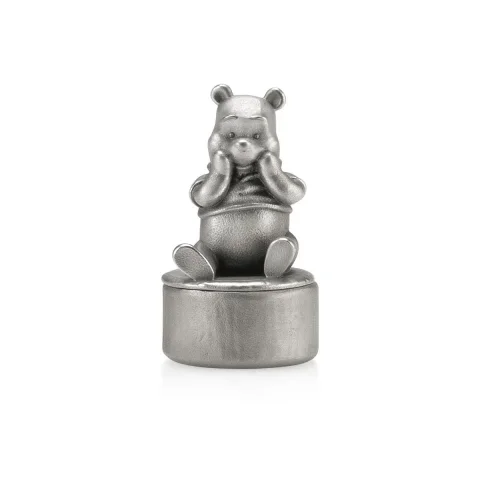
Pewter does not rust, but over time it develops a natural, mild patina. A figurine or a tankard in high-quality pewter is made to last a long time, provided it is stored properly and not exposed to extreme temperatures.
Suitable for food and drink
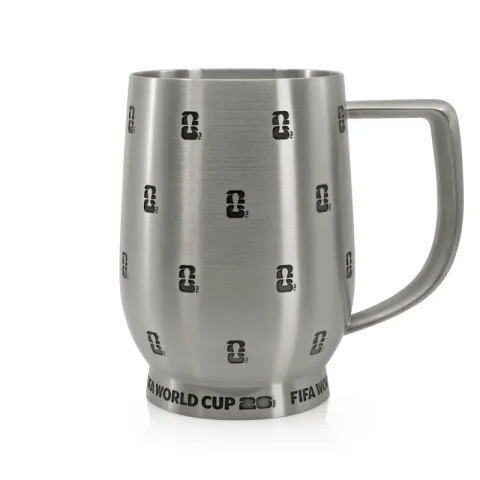
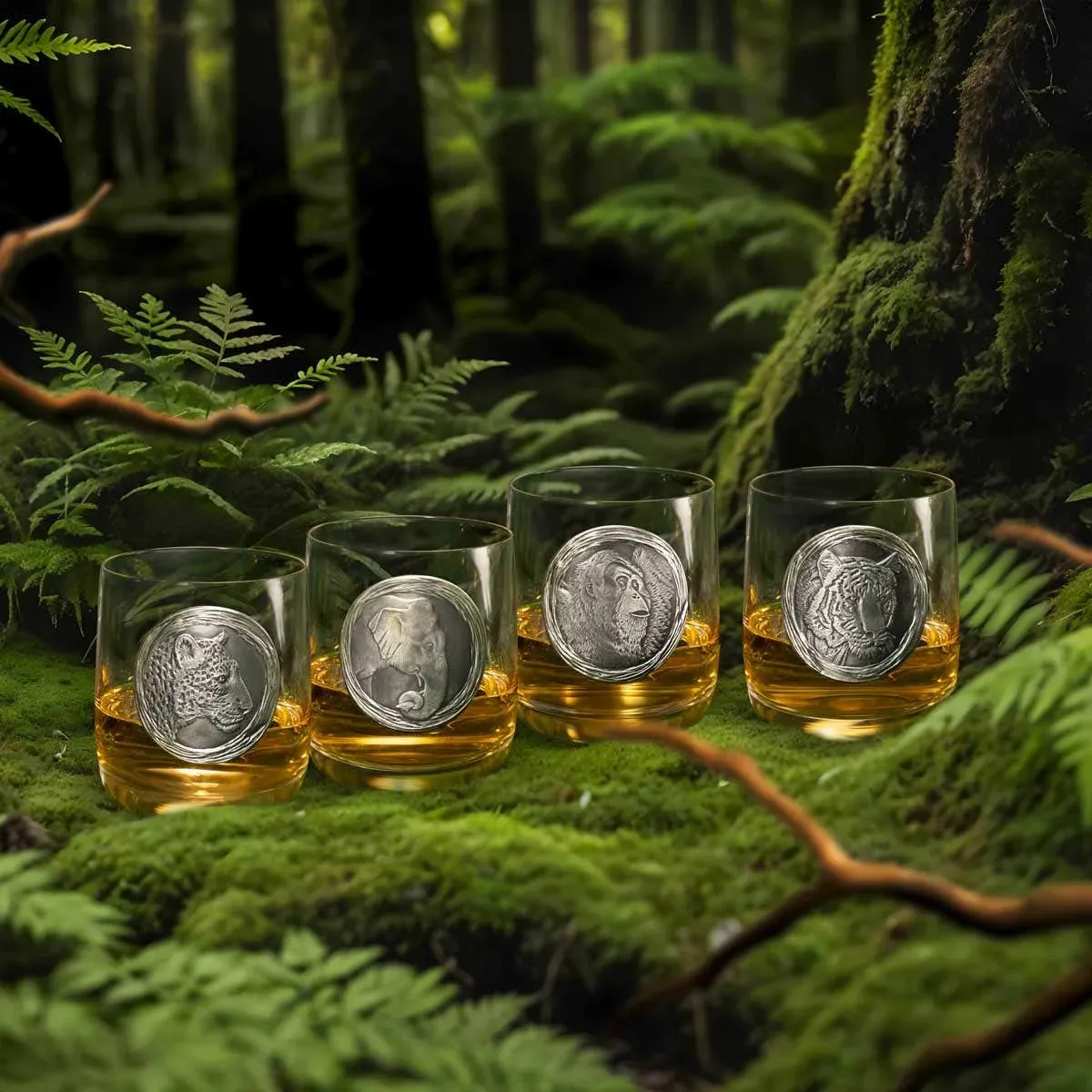
Lead-free pewter is suitable for food and drink, for example beer, wine and spirits. Many collectors appreciate drinking from a Royal Selangor tankard.
When you shop Royal Selangor, you are not just buying an object – you are buying a piece of craftsmanship from one of the world's largest and best-known pewter producers.
How to recognise quality pewter
There are a few simple rules of thumb for telling high-quality pewter from cheaper alternatives:
- The weight: Quality pewter feels heavy and solid. If a product feels too light, it may be made of a different alloy than high-quality pewter.
- The surface: Handmade pewter can show traces of the craft – subtle variations in the surface that show a person has polished and finished the piece.
- The casting seams: Look at how the casting seams have been treated. On Royal Selangor products, these are ground down and integrated into the design. On cheaper products they can be visible and rough.
- Stamp: Royal Selangor products are usually stamped with the mark. Look for this on the underside of the product.
"A Royal Selangor piece is not just a product – it is craftsmanship with a name behind it since 1885."
Patina: natural ageing or a flaw?
Over time, pewter develops a natural, mild patina – a slightly darker, softer surface that some collectors prefer to the freshly polished look. The patina is not a sign of damage or poor quality. It is pewter's natural response to air and moisture.
Patina gives the product character and depth. An old tankard with patina tells a story. If you prefer the original shiny surface, however, the pewter can be polished – read more in our complete pewter care guide.
Important: Patina can be polished away. What cannot be put right is scratches from abrasive agents or damage from impact. Take care of your pewter, and it can last for many years.
Daily care: three simple rules
Pewter requires little maintenance. Here are the three most important rules:
- Never in the dishwasher. Heat and strong detergents can discolour and damage pewter. Wash by hand with lukewarm water and mild soap.
- Dry immediately. Water spots can leave limescale deposits over time. Always wipe dry with a soft cloth right after washing.
- Use the right polish. For periodic polishing, use a polish that is specially designed for pewter and is not abrasive. Avoid silver polish and other abrasive agents.